
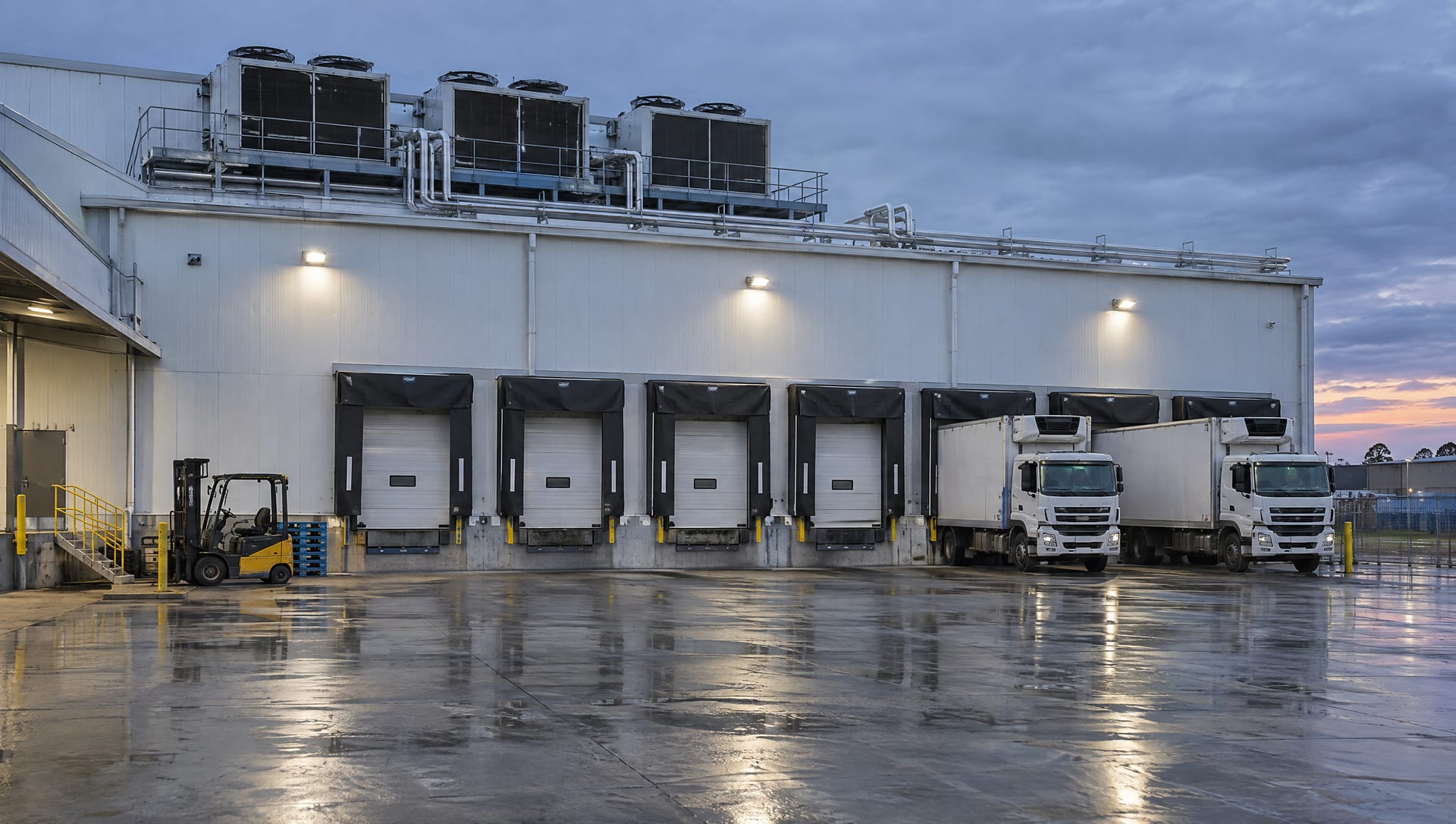
NABERSNZ can now rate a warehouse or a cold store. The rules were published in September 2026. They give New Zealand owners and operators a recognised way to compare a site’s energy use with other sites doing the same job.
The tool has arrived in a market where running costs are hard to ignore. Colliers put Auckland industrial vacancy at 4.5% in August, the highest since 2012. Prime warehouse rents are flat at $198/m². Bayleys measured average outgoings of $33/m² across 74 Auckland industrial properties. That is up 6.6% in a year, and Bayleys says utilities are among the fastest-rising costs. Tenants have more choice than they have had in 14 years, and what a building costs to run is part of how they choose.
If you own or run one of these buildings, you want to know whether the site uses more energy than it should. You also want to know what is worth fixing, and how you will know the fix worked. The rating answers the first question. The other two need their own evidence, and most of this guide is about how to get it.
What the rating measures
NABERSNZ rates what a building did over 12 months, whatever it was designed to do. The warehouse and cold store tool takes the energy the site used. It compares that energy with a benchmark built from the site’s own size and workload. A busy freezer distribution centre will always have a bigger power bill than an ambient shed down the road. The stars show how each one did against a site like itself.
- Refrigeration plant
- Lighting and power
- Air conditioning and ventilation
- Hot water
- Forklifts charged on site
- Rated site area
- At least 650 m²
- Refrigerated volume
- Cold rooms (-20°C to 0°C) and cool rooms (0°C to 15°C), area times height
- Weekly operating hours
- Worked out area by area
- Conditioned and non-conditioned area
- Air-conditioned space is measured separately from the rest
- Site activity
- Full-time equivalent workers, or annual turnover ratio
- 6 Market leading
- 5 Excellent
- 4 Good ASB sustainable finance bar for warehouses and cold stores
- 3 Market average
- 2 Below average
- 1 Making a start
A few details in the rules change how you prepare.
Refrigerated space is counted by volume, so the assessor needs room heights as well as floor plans. Rooms are split by setpoint: a cold room runs between -20°C and 0°C, and a cool room between 0°C and 15°C. A room that was switched off for part of the year is only counted for the time it ran.
Site activity is measured one of two ways. A manual site uses its full-time equivalent workers. An automated site with few staff can use its annual turnover ratio. That is the year’s throughput divided by the most stock the site held. The rules’ own example is 80,000 pallets through a site that peaked at 9,600, a ratio of 8.3. A higher ratio earns a bigger energy allowance for the same star rating.
Forklifts count. Internal transport that never leaves the site is inside the rating, alongside the refrigeration plant, lighting, air conditioning, hot water, exterior lighting, and generator fuel. If your forklift chargers sit on a meter nobody reads, find it now.
Three stars is market average and six is market leading. Four is the number to watch if finance is part of your plan. ASB Bank’s sustainable finance for better-performing buildings sets its bar at 4 stars for warehouses and cool and cold stores. The bank decides who is eligible and on what terms. Our NABERSNZ page covers the thresholds.
The rating won’t choose a contractor, price an upgrade, or tell you whether a change is safe for your stock.
Check whether your site fits
The tool is built for sites whose main job is storing and distributing goods. Four checks cover most of it.
- Check 01 Is the site's main job storing and distributing goods? Yes, continueIf no Large-format retail, storage with no distribution, and sites that mainly manufacture or process goods are outside this tool.
- Check 02 Is the rated site area at least 650 m²? Yes, continueIf no 650 m² was the smallest site used to build the tool. Smaller sites are outside it.
- Check 03 Do you have 12 continuous months of energy data? Yes, continueIf no A new or refurbished building can be rated once it has 12 months on record.
- Check 04 Do your meters cover the whole operation? Yes, continueIf no Refrigeration, lighting, air conditioning, and forklift charging all have to be counted. Gaps need sub-metering or another method the rules allow.
- Outcome Your site probably fits. An accredited assessor confirms it, along with the rating boundary.
Mixed-use sites, shared services, and multi-tenanted buildings need more care. The rules allow a rating for a whole building, a group of buildings, or one tenancy in a shared building. Where the boundary sits decides which meters count. Ask an accredited assessor to confirm the boundary before you commission work or promise anyone a result. How the lease describes the building doesn’t settle it.
If your site falls outside the tool, energy improvements are still on the table. You need a different kind of assessment, and a Performance Review is ours.
Keep the prediction, the certified rating, and the measured result apart
These three get mixed up all the time, which is how a projected saving ends up in a board paper as a delivered one. Each is good for something different.
- 01 / 03Indicative prediction An early read from the information you have and a set of stated assumptions.
- Takes
- Minutes
- Good for
- Deciding what deserves a closer look
- Watch
- Never present it as a certified NABERSNZ rating
- 02 / 03Certified rating An accredited assessor verifies 12 months of evidence and visits the site. NZGBC audits and certifies the result.
- Takes
- Generally six to eight weeks, says NZGBC
- Good for
- Showing a lender, tenant, or board where the building stands
- Watch
- Valid for up to 12 months, then it needs renewing
- 03 / 03Measured result After the work, performance is compared with a baseline that was agreed before the work started.
- Takes
- A comparable period after the work
- Good for
- Proving the saving turned up
- Watch
- A projected saving in a proposal has not been delivered yet
Two things about the certified rating catch people out. The rules give you four months after the rating period ends to get certified. A rating certified later than that is valid for less than 12 months. NZGBC also charges its own certification fee on top of your assessor’s fee. The NZGBC fee is $2,000 for a standard energy rating. It is $1,000 for a warehouse or cold store under 5,000 m² of site area.
Build the evidence pack first
A certified rating needs 12 continuous months of data, and the latest power bill is a small part of it. Start by finding the people who hold the rest.
| Evidence | What to gather | Who holds it |
|---|---|---|
| Energy records | 12 months of bills for every energy source, meter and ICP numbers, and interval data where it exists. | Finance and your energy retailer. |
| Building information | Current plans showing cold rooms, cool rooms, offices, and air-conditioned areas, with room heights and any changes the drawings miss. | The property team or the landlord. |
| Operating pattern | Weekly hours by area, shift patterns, seasonal peaks, and any months a refrigerated room was shut down. | Operations. |
| Site activity | Payroll records for full-time, part-time, and casual hours, or annual throughput and peak inventory for the turnover ratio. | HR and the warehouse management system. |
| Equipment | Plant list, service records, control settings, known faults, and electrical single-line diagrams. | Your refrigeration or facilities contractor. |
| Decision rights | Who approves a change, who pays for it, and who receives the saving. | Owner and tenant, settled before the business case. |
This list gets you ready for a first conversation. Your assessor will have their own requirements.
Where to look for savings
Start with the job the building has to do. Protect that, then go after the energy around it.
In an ambient warehouse
Check whether lighting and ventilation follow the way the building is used now. Look for aisles lit at full output with nobody in them, and equipment that runs on after the last shift. Check for controls set up for a racking layout that has since changed. EECA’s packhouse and cool store checklist has a lighting list that applies here too. It covers occupancy sensors, timers on the main lighting circuits, automatic dimming under skylights, and LEDs where people work.
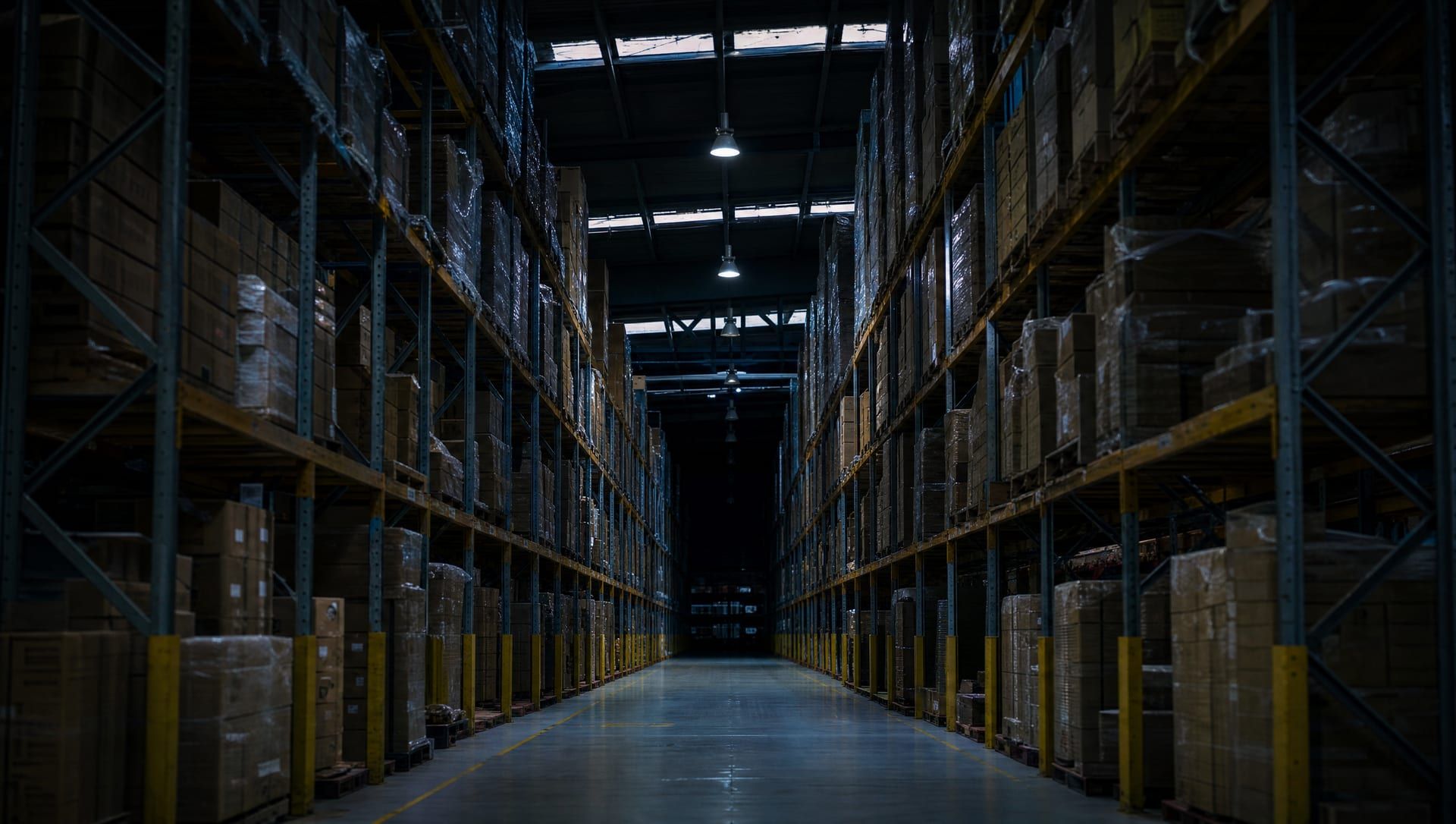
Treat each finding as a question to test: what is running, why, and what happens if the schedule changes. Some of that overnight load is doing a job. Check safe working conditions before you change lighting or ventilation.
In a cool store or freezer
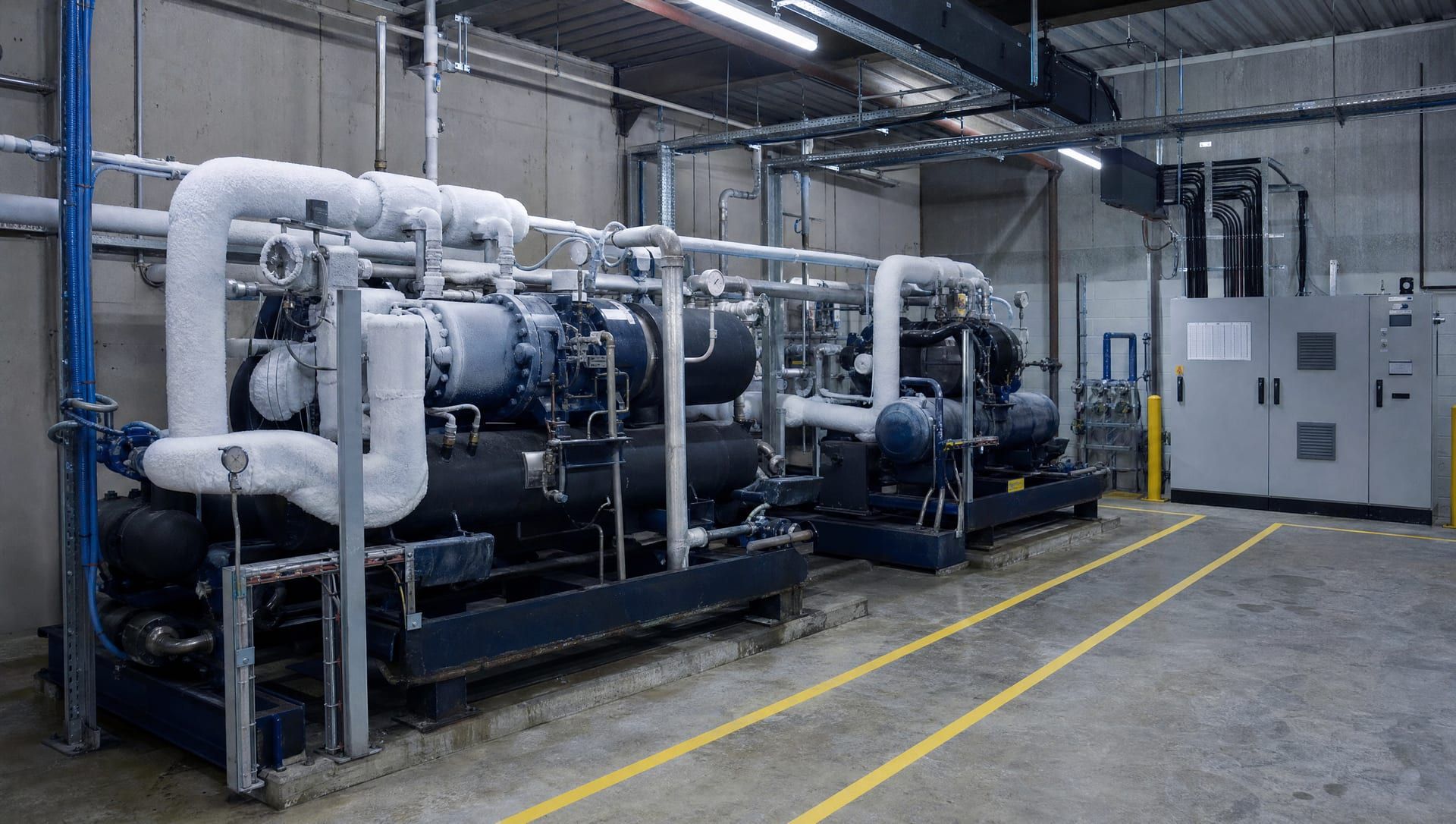
Refrigeration was the third-largest user of electricity in New Zealand in 2023, behind hot water cylinders and electric furnaces. EECA publishes an estimate of what each common fix is worth, and several of the cheapest pay back inside a year.
These are different jobs for different trades. A failed door seal is a maintenance call. A head pressure or suction setpoint is a controls change, and it belongs with a qualified refrigeration engineer who knows your plant. Product temperature, food safety, and stock quality come before any energy target. Nobody should raise a setpoint or switch plant off to improve a graph.
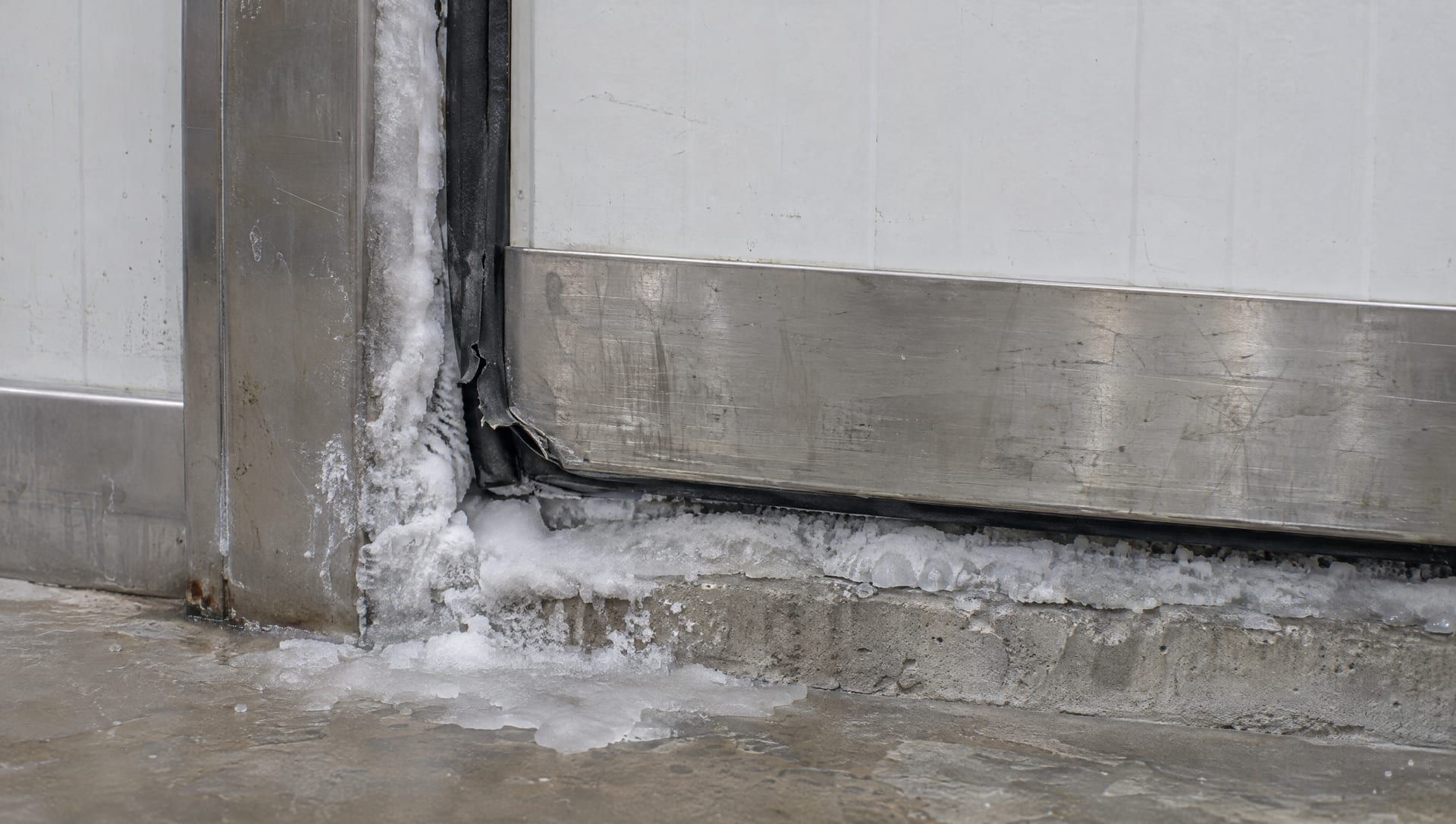
EECA makes a point that proposals tend to skip. The changes with the biggest impact, such as replacing old refrigeration plant, often have the longest paybacks. Do the maintenance and controls work first, and budget for it every year. Seals, door discipline, and preventive maintenance are all on EECA’s list.
One more from EECA, with the same engineer in the room. A cool store holds its temperature well, so refrigeration can often be turned off through peak periods. EECA says this can cut peak charges by up to 50% in winter, depending on your tariff. That one is a tariff saving, so it goes on its own line in the business case.
Turn a recommendation into an investment decision
Before you approve an upgrade, ask for a short business case that answers five questions.
- 01What problem are we fixing? Ask for the evidence from your site. A proposal that opens with the equipment has skipped this.
- 02What will change? The work, the disruption, what it depends on, and who is accountable.
- 03What could it save? Energy savings and tariff or demand-charge savings go on separate lines, with the assumptions and the uncertainty stated.
- 04What will it cost? Installation, commissioning, and any ongoing service or maintenance.
- 05How will we check the result? The baseline and the measurement method, agreed before the work starts.
It helps to know what a good answer to question three can look like. Better Buildings has an illustrative scenario for a 3,000 m² cold store in Wiri. The store uses 750 MWh a year and sits at an indicative 3.5 stars. The scenario models $83,750 of annual savings across five upgrades. That is about $28/m², not far short of the $33/m² an average Auckland industrial property carries in outgoings.
Don’t judge the project by next month’s bill. A quiet season, a tariff change, or lower throughput will all move it. A busier site can get more efficient while its total consumption goes up. That is what the agreed baseline in question five is for.
A rating is also no guarantee of finance approval, higher rent, or a higher valuation. A lender will assess the building, the project, and its own criteria.
Start with your own building
Better Buildings by Tether gives you the first of the three results in minutes. You get a predicted NABERSNZ Energy rating for your warehouse or cold store. You also see the upgrades worth a closer look, what they might cost, and indicative savings and payback for each. Use it to decide what to send for a supplier quote or a technical assessment, and where the capital should go first. It also flags where a building may be eligible for discounted sustainable finance, for qualifying upgrades or for core property lending.
When a certified rating is worth having, we manage it through to certification with accredited NABERSNZ assessors and keep it current each year.
Predictions and savings estimates are indicative. They depend on the information and assumptions used, and they are not certified NABERSNZ ratings or guaranteed outcomes. An official rating needs an accredited assessment and NZGBC certification. Read Better Buildings’ Important Information.